Written and edited by GabrielPowered by YouSail.com.au
Sailboat InsuranceAustralia · Independent guide

Independent Australian insurance guide

Sailboat & Yacht Insurance Australia

Compare sailboat and yacht insurance in Australia. Understand cover, costs and exclusions for cruising, racing and offshore sailing, then find marine insurance providers and prepare your quote questions.

Independent guide · General information only · Free tools · Optional saving on your device

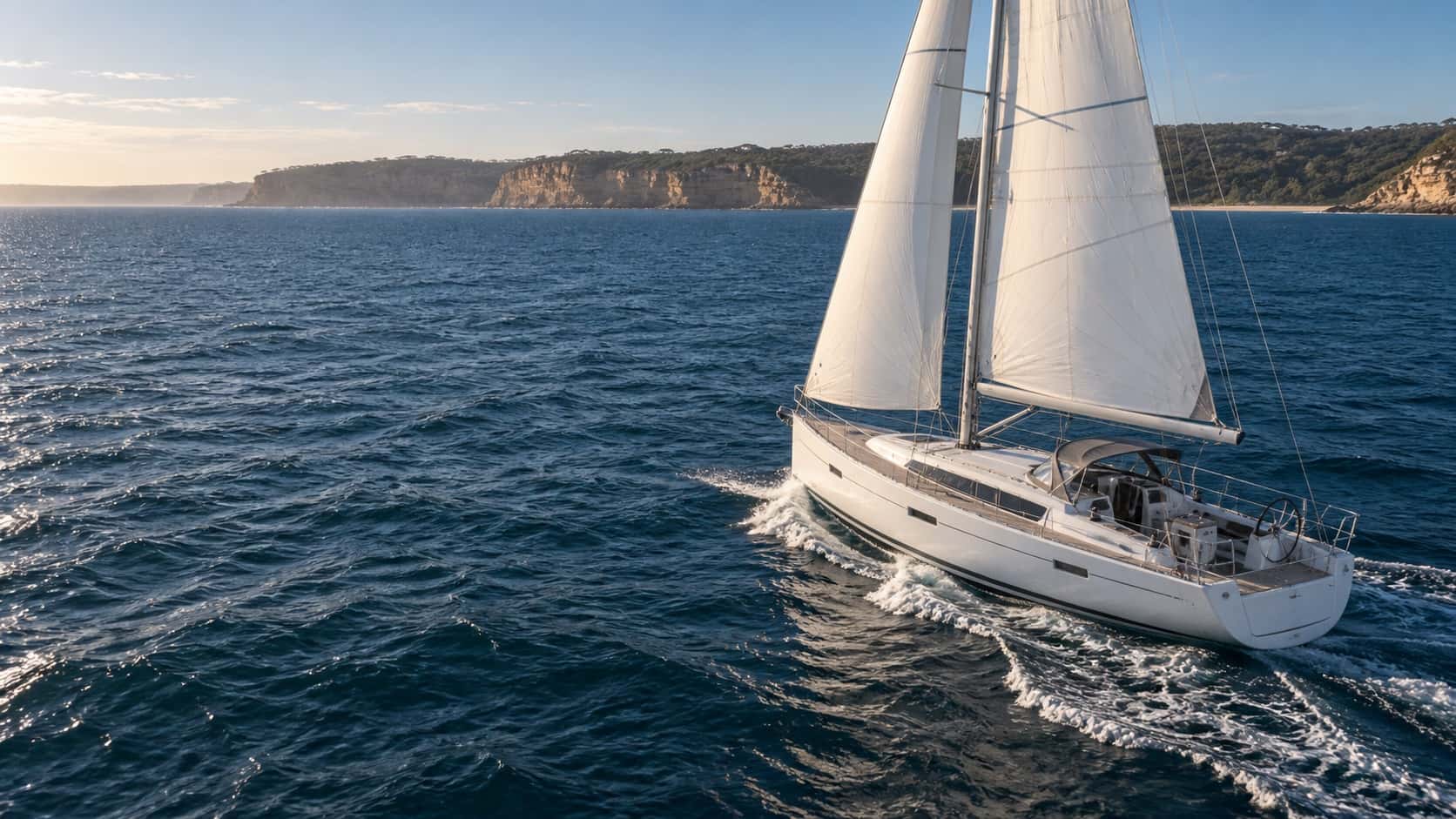
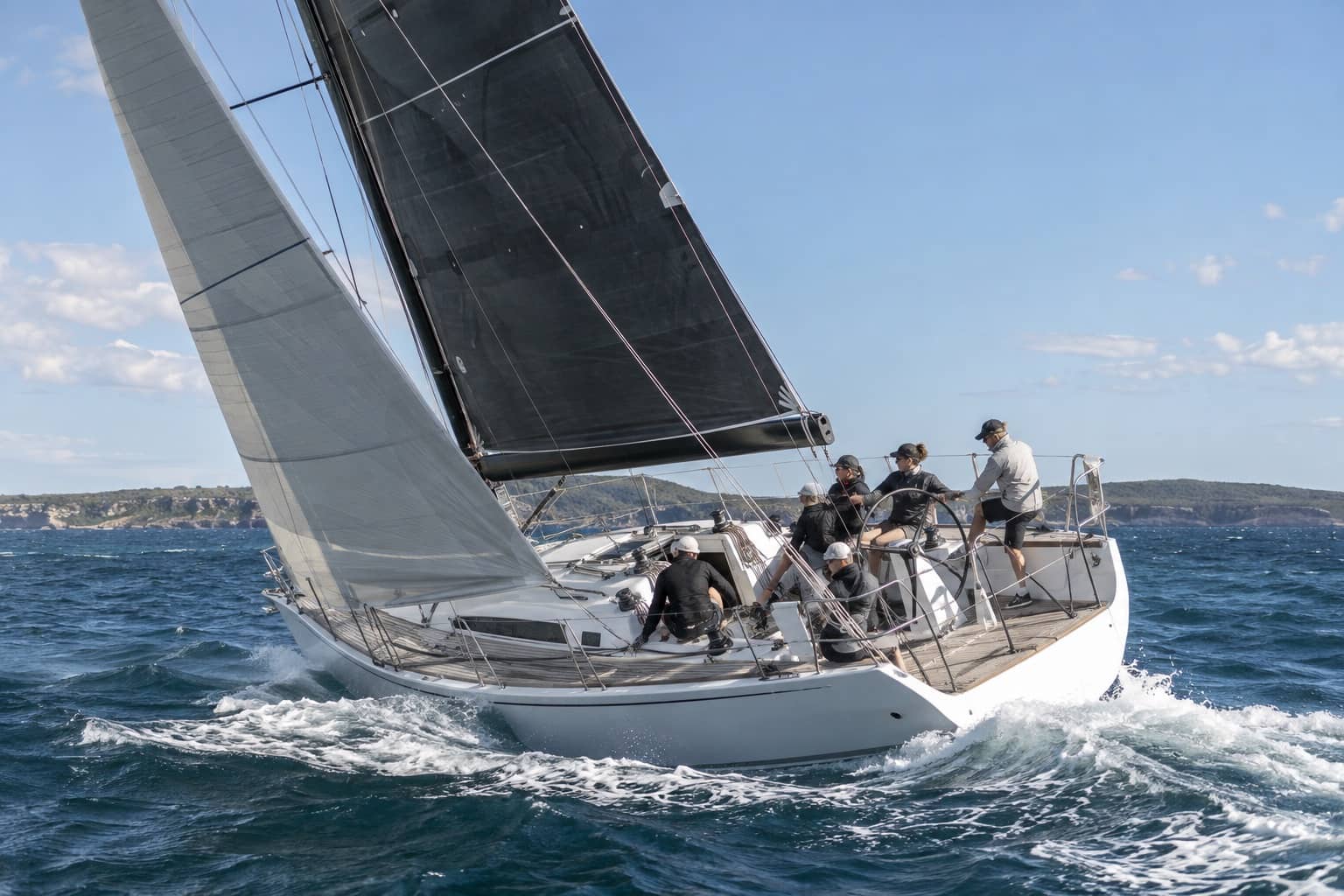
White cruising yacht sailing beside an Australian sandstone coast
Built around sailing riskRig · sails · passage · weather
405Guides published
5Insurer brands reviewed
26Australian areas covered
238Sailboat and yacht insurance FAQs
8States and territories

Plan your cover

Sailboat insurance tools and requirements

Prepare your figures, compare the wording and check the rules before requesting cover.

Compare quote costsTest ordinary, storm and total-loss scenarios.Calculate an excessCheck percentage bases, minimums and extra excesses.Check insurance requirementsFind official rules and marina questions for your boat.All tools and checklistsPrepare quotes, passages, valuations and renewals.

Compare the risk you keep

Sailboat insurance costs: premiums, excesses and limits

Premium is only the visible cost. Add the excesses and policy sub-limits that apply to the loss you are most likely to have, then compare the amount you would fund yourself.

  • Use the same vessel value and facts for every quote.
  • Model named-storm, theft and racing excesses separately.
  • Read the certificate and endorsements with the PDS.
See the 12-point comparison framework

Premium and excess example

Quote A

Premium + one excess$4,900.00

Quote B

Premium + one excess$9,300.00

Illustrative amounts, not quotes. Assumes one covered claim larger than the excess, with no other deductions or uninsured loss. This is not a prediction of your annual cost.

Compare no-claim, partial-loss and total-loss scenarios →
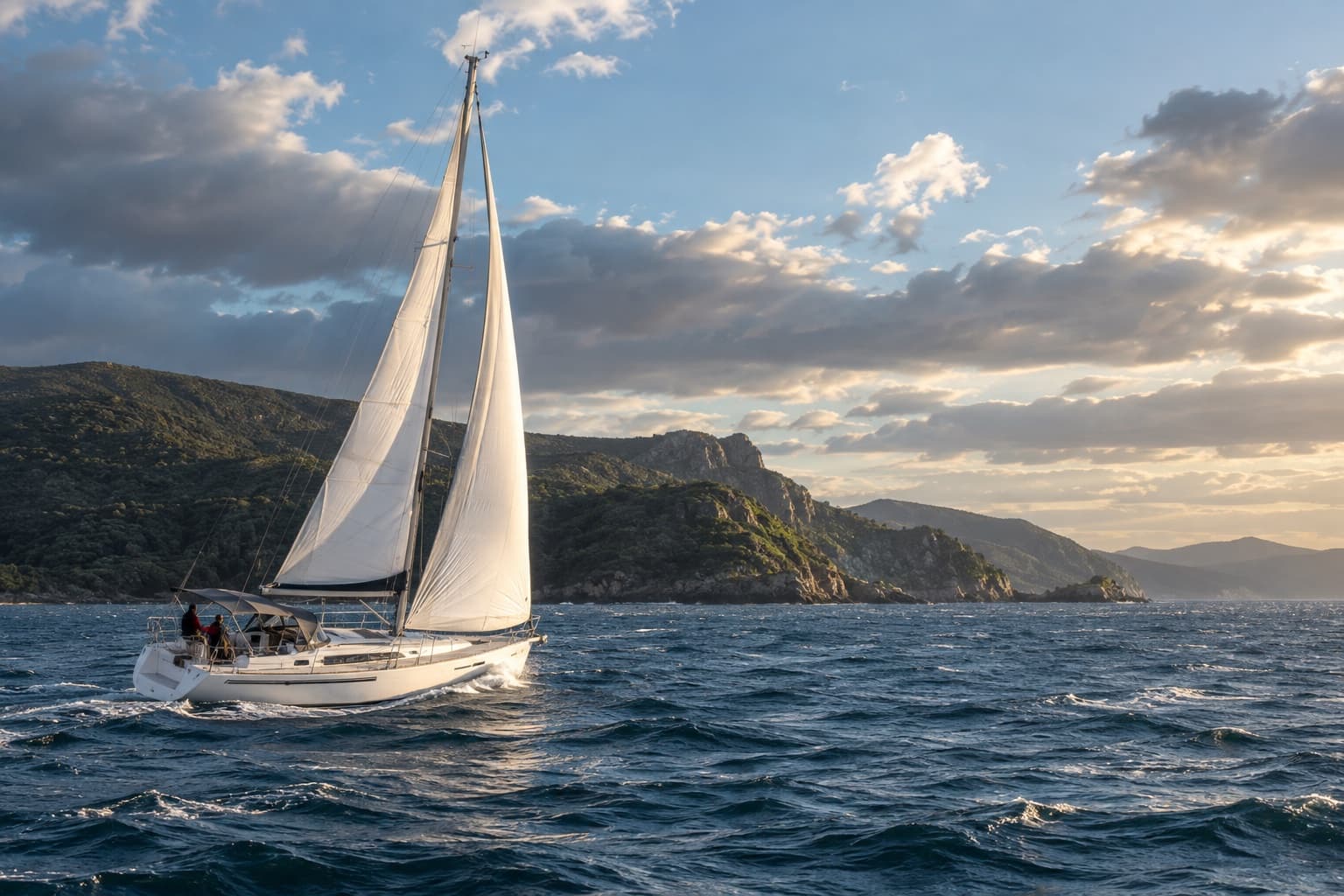
Cruising yacht sailing along a rugged Australian coast

Your sailing defines the policy

Coastal and offshore yacht insurance

A navigation limit is not a line you want to discover after an incident. Check named waters, nautical-mile limits and passage extensions before the bow points beyond your usual cruising ground.

Coastal cruising cover Offshore and bluewater cover Map your navigation limits

Condition is part of cover

Yacht insurance surveys and standing rigging requirements

Some policies set inspection, replacement or evidence requirements for standing rigging. Record dates and invoices before renewal, and never assume a survey removes a separate rigging condition.

Understand rigging-age clauses Prepare for a marine survey
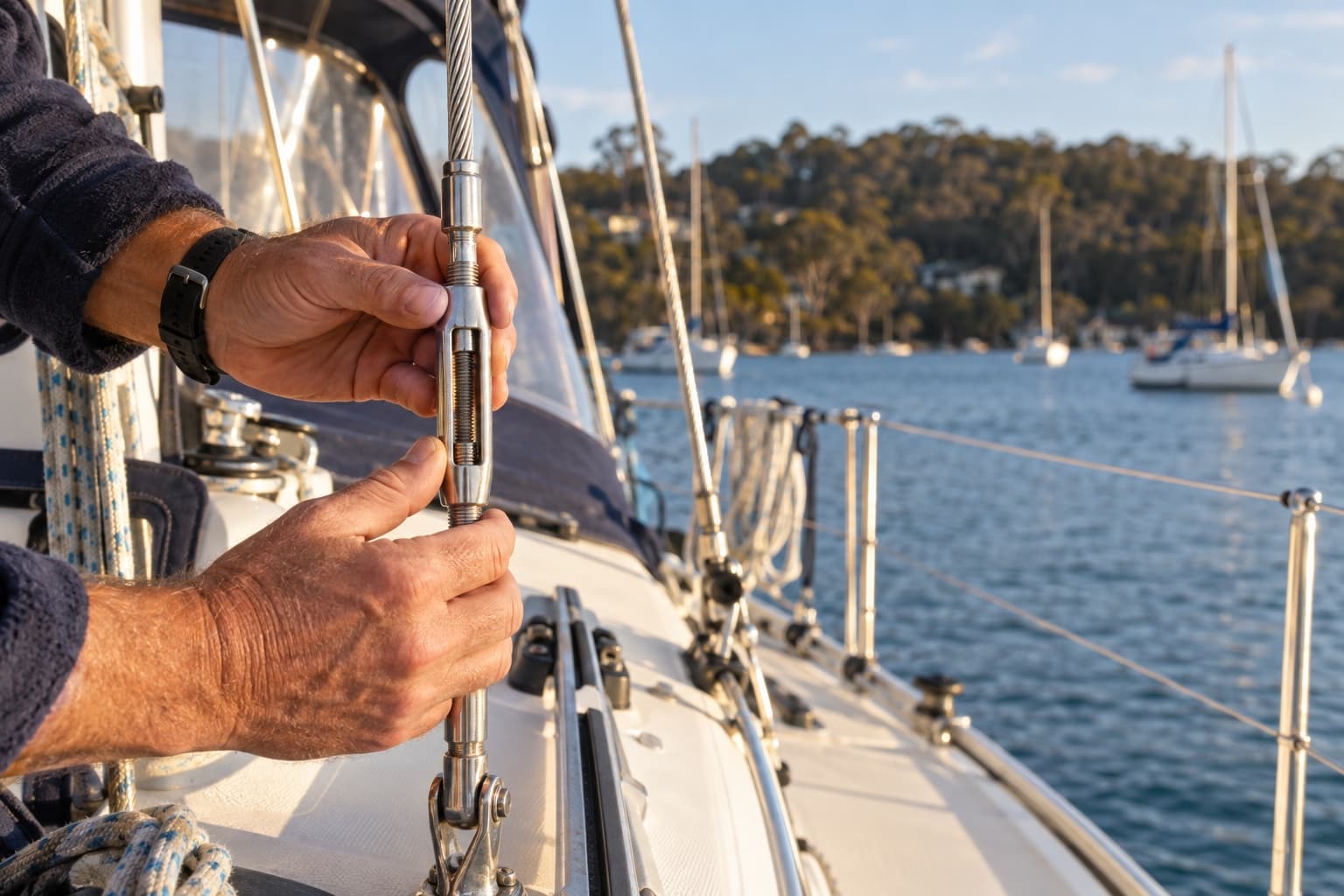
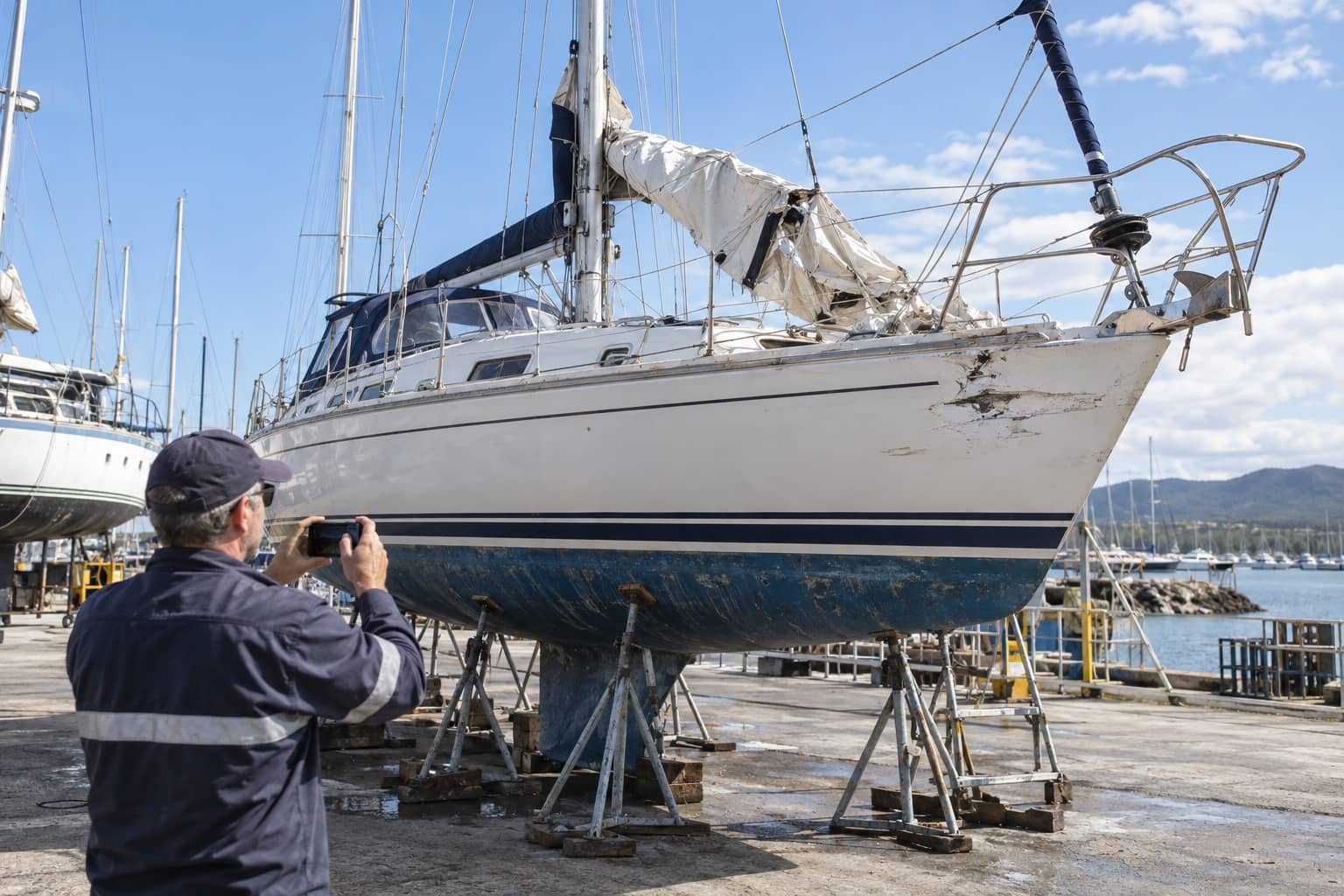
Sailor inspecting a yacht’s stainless-steel standing rigging
Our smiling sail mascot presenting a cruising yacht and a sailing catamaran
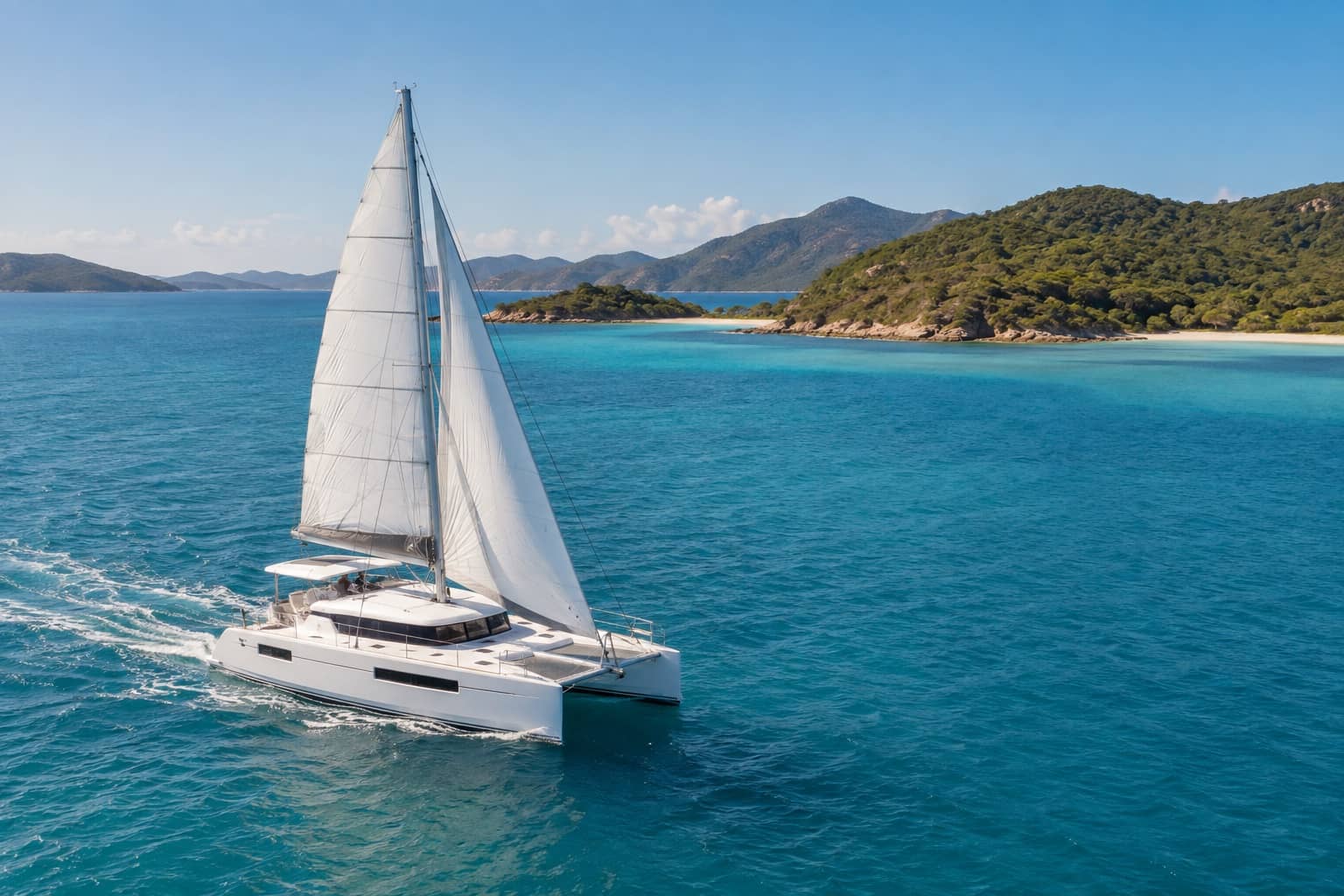
Find the guide for your boat, then check its own records and insurance terms. The yachts shown are illustrative, not specific models.Custom AI illustration featuring our sail mascot · Illustrative, not evidence of cover

At the chart table

Practical sailboat insurance guides and tips

Practical notes for the decisions between buying, sailing and renewing. Start with one useful habit.

FIELD NOTE 01 / THE PAPERWORK

Keep written confirmation of insurance changes

An email saying “that’s fine” is harder to interpret when the question is missing. Save the full conversation beside the current schedule and any revised endorsement.

Build your renewal change log →

Catamaran insurance by brand and model

Explore 54 detailed guides covering Lagoon, Leopard, Fountaine Pajot, Seawind and more, plus equipment, repair and ownership questions.

Browse the catamaran insurance library →

Yacht insurance by model and ownership decision

Explore 100 guides to Beneteau, Jeanneau, Hanse and Bavaria models, plus buying, equipment, storage, passage and claims questions.

Browse the yacht insurance library →
OWNER NOTE 01

Sailboat Insurance When Buying: Handover and Cover Dates

The insurance handover is a timed event, not just a change of name. Agree when responsibility transfers and obtain confirmation that your own cover begins at that point. The seller’s insurance should never be treated as your temporary policy.

Read the guide →
OWNER NOTE 02

Yacht Insurance Renewal: Record Changes to Your Boat

A renewal change log records what has changed since the last proposal: equipment, value, use, home berth, skipper experience and planned passages. It makes the conversation specific and helps you spot assumptions copied from last year.

Read the guide →
OWNER NOTE 03

Yacht Insurance After Lay-Up: Returning to Sailing

Before sailing a yacht that has been laid up, check when normal use resumes under the policy. A boat being mechanically ready does not establish that a lay-up restriction has ended.

Read the guide →
OWNER NOTE 04

Yacht Insurance Storm and Cyclone Excesses Explained

A named-storm excess is a wording question before it is a calculation. Identify the event definition, how the excess is calculated and whether it replaces or adds to another excess.

Read the guide →
OWNER NOTE 05

Yacht Tender Insurance: Cover Away from the Boat

A tender can be described on the yacht policy yet have conditions that matter when it is ashore, in transit or left at a landing. Ask about the tender, outboard and accessories separately.

Read the guide →
OWNER NOTE 06

Yacht Insurance When a Friend Skippers Your Boat

Permission from the owner and acceptance under an insurance policy are different questions. Check operator conditions before a friend takes the yacht out without you.

Read the guide →
OWNER NOTE 07

Yacht Insurance During Contractor and Repair Work

Before a contractor starts work, clarify how your vessel policy treats the job, location and any changed use or condition. The contractor’s insurance is useful information but is not a replacement for your own policy.

Read the guide →
OWNER NOTE 08

Sail Insurance: Record Your Yacht’s Sail Inventory

A sail inventory should identify each sail, its age, purchase evidence, condition and use. A single total for “sails” makes it harder to explain what was aboard and which item was damaged.

Read the guide →
OWNER NOTE 09

Yacht Insurance When Moving Marinas or Berths

A home berth is more than a postal address. Tell the insurer about a planned move and ask whether the new location changes acceptance, conditions or price.

Read the guide →
OWNER NOTE 10

Yacht Insurance Claims: Authorising Emergency Repairs

After an incident, deal with immediate safety and contact the insurer’s emergency channel when practicable. Distinguish urgent measures to prevent further damage from a full permanent repair.

Read the guide →
OWNER NOTE 11

Yacht Electronics Insurance: Upgrades and Insured Value

Installing expensive electronics raises two different questions: whether the equipment is within the insured property definition and whether the overall insured value remains appropriate.

Read the guide →
OWNER NOTE 12

Yacht Delivery Insurance: Weather Delays and Extensions

A passage approval may be tied to dates as well as route and crew. If weather changes the plan, ask whether the approval needs updating before the agreed window expires.

Read the guide →
OWNER NOTE 13

Shared Yacht Ownership: Insurance Records and Operators

Shared ownership works better when one current insurance record is available to every authorised user. Confirm the insured interests and permitted operators, and agree who reports changes and incidents.

Read the guide →
OWNER NOTE 14

Yacht Insurance Surveys: Completing Required Repairs

A survey report begins a follow-through process. List recommendations, identify any insurer conditions or deadlines and gather completion evidence before treating the boat as ready.

Read the guide →
OWNER NOTE 15

Boat Insurance Claims: Documenting a Collision

A useful claim chronology separates what you observed from what you were later told. It helps an assessor follow the event without turning an early theory into a statement of fact.

Read the guide →

Explore all practical insurance guides →

The full research library

Sailboat and yacht insurance guides by topic

Use the sections below when you already know the insurer, clause, location or problem you need to investigate.

Australian sailboat and yacht insurance brands

Who actually carries the risk behind each brand, what their product is built for, and how the main names compare head to head.

Scroll to explore brands. Brand names and logos are the trade marks of their respective owners and are used here to identify the products described. Their appearance does not imply any affiliation with, or endorsement by, those businesses.

Boat Insurance Companies Australia: Insurers and Agencies →

Compare boat insurance cover and costs

The clauses that decide claims, what Australian cover actually costs, and how to compare quotes on a basis that means something.

Compare Boat Insurance Australia: Cover, Costs and Providers →

Insurance for sailboats, yachts and multihulls

Underwriting turns on the boat. Sailing vessels carry rig, spar and sail exposures no powerboat has — and production designs each raise their own questions.

By production brand

Boat Insurance by Vessel Type →

Sailboat and yacht insurance explained

Sailboat insurance and yacht insurance help owners manage the financial consequences of damage, loss and liability, subject to the cover purchased. In Australia, the right comparison depends on the vessel, insured value, home berth, navigation area and how the boat is used. A trailer sailer, a cruising yacht and a racing catamaran can require different policy conditions.

This independent guide explains how to compare cover and prepare for a quote. We do not sell policies or provide personalised insurance recommendations. Use the cover, cost and provider guides below with the current Product Disclosure Statement, schedule and endorsements supplied for your vessel.

What does sailboat and yacht insurance cover?

Comprehensive policies may combine accidental damage to the insured vessel with liability cover. Read the insured events and exclusions for collision, grounding, fire, theft and storm damage, then check sails, mast, rigging, tender and equipment provisions. Racing, offshore passages, charter and liveaboard use need particular attention because a standard pleasure-craft policy may restrict them.

Compare comprehensive boat insurance with third-party boat insurance. Liability-only cover should not be assumed to pay for damage to your own yacht. Salvage, wreck removal and towing also need their own limit and exclusion checks.

How much does sailboat insurance cost in Australia?

There is no single reliable price for every sailboat. Quotes depend on factors such as value, age, construction, condition, location, claims history, skipper experience and intended use. Compare premiums for the same boat details, and assess the excesses and limits that would apply to a realistic loss. A cheaper premium can leave a larger amount for you to pay after a claim.

Read the boat insurance cost guide and use the total cost of risk calculator to compare the premium with the excess you would retain. Ask providers for a vessel-specific quote rather than relying on a percentage of boat value.

Find sailboat and yacht insurance providers

Use the Australian marine insurance provider directory to research businesses, locations and contact details. The provider guides explain named brands, while the insurance comparison framework helps you compare the actual offers. Directory inclusion is not an endorsement, and listing a service does not guarantee acceptance of your yacht.

How to compare sailboat insurance policies

The best policy is not automatically the cheapest premium. A useful comparison starts with the loss you most want the policy to respond to. That may include collision, grounding, storm damage, cyclone damage, theft, fire, lightning, accidental damage, third-party liability, salvage, wreck removal, racing, tenders, personal effects or offshore cruising.

A low premium can be poor value if the cruising area is too narrow, the storm conditions do not suit where the boat is kept, the rigging conditions are difficult to satisfy, or the excesses and sub-limits leave you carrying more risk than expected.

Information needed for a sailboat insurance quote

  1. What vessel are you insuring?
  2. Where is it normally kept?
  3. Where will it sail during the policy period?
  4. How will it be used, including racing, liveaboard use, chartering or offshore passages?
  5. What would a serious loss actually cost, including salvage, towing, wreck removal and third-party damage?

Australian boat insurance policy documents

Before buying general insurance, read the current Product Disclosure Statement and any Supplementary PDS. The certificate of insurance usually records the vessel, sum insured, agreed endorsements, excesses and navigational limits specific to you. A Target Market Determination describes the type of customer for whom a retail product is designed. A Financial Services Guide can help you understand who is providing the service and how that provider is licensed or remunerated.

Common sailboat-specific underwriting issues

Sailboats can attract questions about standing rigging age, mast and spars, sails, racing, spinnakers, offshore navigation, mooring type, survey history, osmosis, hull construction, engine condition, lithium battery installations, modifications and the skipper's experience. Older vessels may be asked for a condition survey or specialist rigging report.

Boat insurance is generally separate from state vessel registration. A particularly important exception exists in Queensland: ships over 15 metres length overall are subject to statutory insurance requirements for pollution clean-up, salvage and wreck removal. Always check the rules that apply where the boat is operated, not only where the owner lives.

Yacht insurance guides by vessel and use

New owners should begin with the start-here guide, then compare comprehensive and third-party cover, agreed versus market value, excesses, geographic limits and exclusions. Owners of yachts over 10 years old should also read the survey, maintenance and rigging pages. Offshore cruisers should read the bluewater, international and Australian ship registration pages before assuming a domestic pleasure craft policy will follow them overseas.

Frequently asked questions about sailboat and yacht insurance

Is sailboat insurance the same as yacht insurance?

The terms overlap, but the policy definition of the insured vessel matters more than the product name. Yacht insurance may also be marketed for motor yachts. For a sailing vessel, check sails, spars, standing rigging, racing and navigation conditions rather than assuming those features are included because the product is called yacht insurance.

Does yacht insurance include racing cover?

Not automatically. Check whether racing is accepted, which events or distances are permitted, and whether sails, spars or rigging have different limits or excesses. Describe your actual racing plans when requesting a quote and retain any written endorsement.

Can Australian sailboat insurance cover offshore sailing?

It depends on the navigation area and any passage endorsement. Confirm the route, departure window, destinations and offshore distance, together with crew or equipment requirements. A coastal policy should not be assumed to cover an overseas or bluewater voyage.

How should I compare yacht insurance quotes?

Give each provider the same vessel, value, berth, skipper and sailing details. Compare the insured value basis, covered events, exclusions, excesses, navigation limits, survey conditions, racing terms and salvage provisions. Read the schedule and endorsements with the current policy wording before accepting an offer.

General information onlyThe information on sailboatinsurance.com.au is general educational information only. It may be wrong, incomplete or out of date, and you should not rely on it as a substitute for the current policy documents or professional advice. It does not take into account your objectives, financial situation or needs and is not personal financial product advice. Insurance cover depends on the actual policy wording, Product Disclosure Statement, certificate of insurance, endorsements, exclusions, limits, sub-limits and underwriting decisions that apply to your vessel. Always read the current policy documents before buying, renewing or changing cover. For legal, financial or insurance advice about your own circumstances, consider speaking with an appropriately licensed professional.